Rethinking Education: From Factory Model to Future-Ready Learning
An animated explainer video examining the origins of modern education in the Industrial Revolution and exploring how schools must evolve to prepare students for a knowledge-based economy driven by innovation, creativity, and collaboration.
- Client
- Various
- Year
- 2020
- Role
- Animator and Illustrator
- Category
- eLearning, Animation
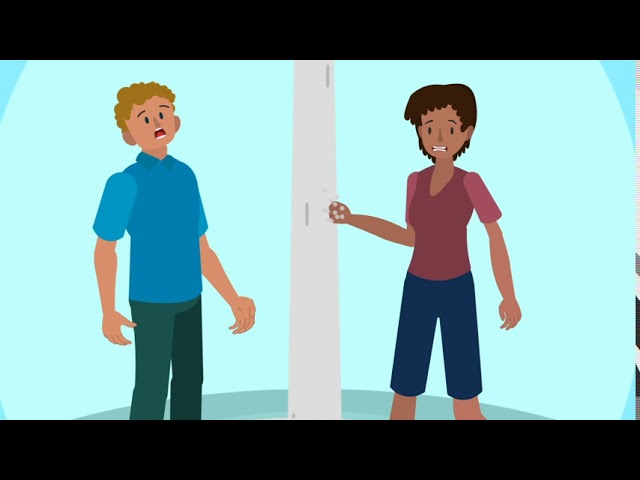 This motion graphics piece traces the history of public education back to its industrial roots, revealing why classrooms still feature rows of desks, age-based groupings, and standardized curricula more than a century later. The animation illustrates how schools were intentionally designed to mirror factory efficiency—with specialized compartments for subjects, teachers as floor managers, and mass production of uniform learners through repetition and drill.
While acknowledging that this model served its era well and continues to work for many students, the video examines the growing conflicts between industrial-age education and modern workforce demands. With 47% of U.S. jobs at risk of elimination due to automation and computerization, today's knowledge-based economy prizes innovation, creativity, and diverse thinking over repetitive processes. Yet traditional schooling often emphasizes competition over collaboration, penalizes unconventional thinking, and artificially separates interrelated subjects.
The animation pivots to spotlight emerging educational approaches that better align with 21st-century needs: online learning that allows self-paced progress, STEAM education that bridges analytical and creative disciplines, project-based learning that builds collaborative problem-solving skills, and growth mindset philosophies that recognize potential in every learner. Rather than prescribing solutions, the piece concludes by inviting students to envision new possibilities for their own education—positioning them as active participants in shaping the future of learning.